Quick-Cooking vs. Old-Fashioned Oats: The Ultimate Battle for Your Apple Crisp Topping
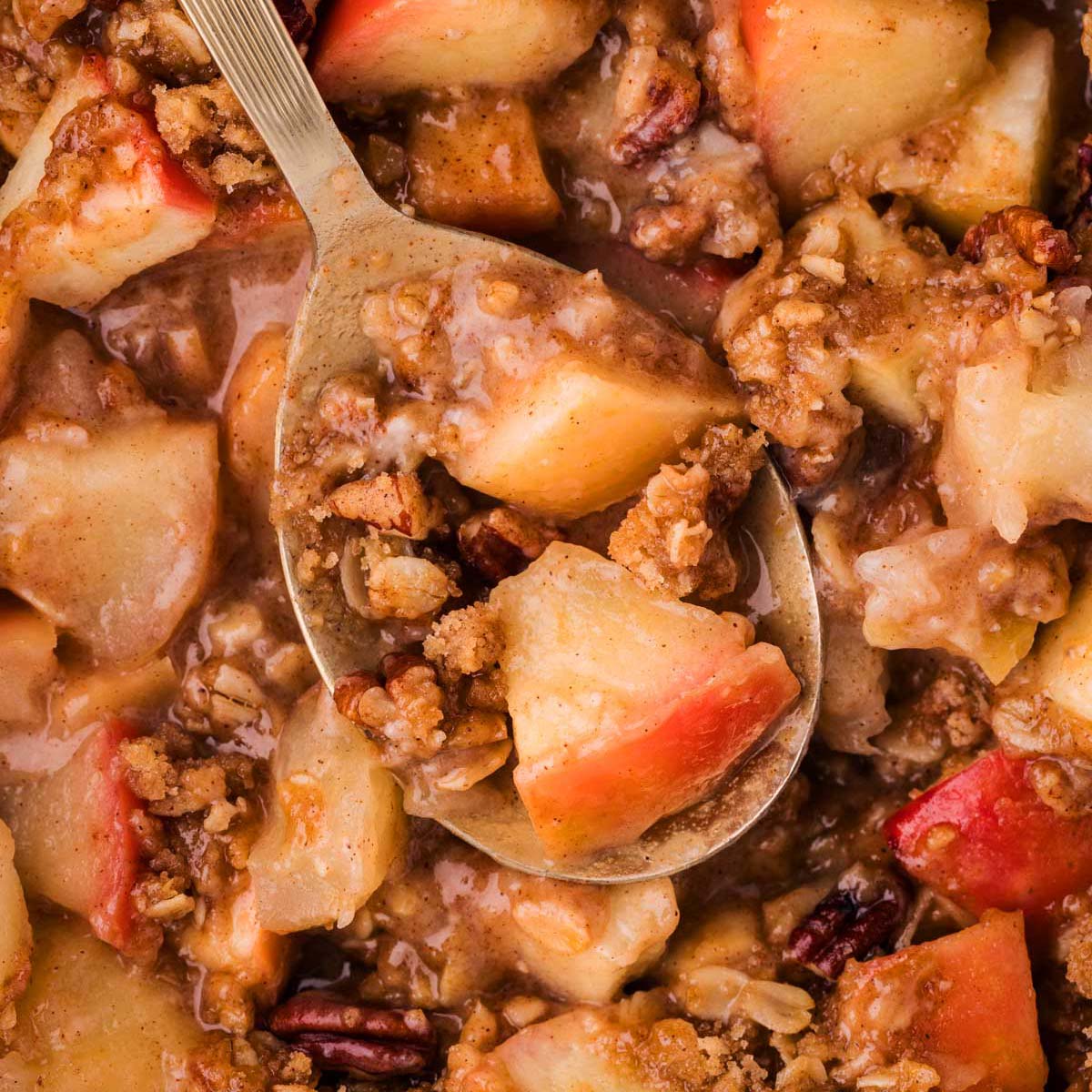
There are few desserts as universally adored as a classic apple crisp. The mere mention conjures images of warm, tender, cinnamon-spiced apples beneath a golden, crunchy oat topping, often crowned with a melting scoop of vanilla ice cream. It’s a dessert that perfectly embodies comfort and seasonal joy, especially during the crisp days of fall. But for home bakers striving for that perfect texture – apples that yield with a gentle nudge and a topping that delivers an irresistible crunch – a crucial question often arises: which oats are best for your apple crisp recipe? The debate between quick-cooking and old-fashioned oats can significantly impact the final texture of your beloved dessert. Let's peel back the layers and discover the secret to the ultimate apple crisp.
Understanding the Oats: A Foundation for Your Perfect Crisp
Before we dive into the great oat debate, it’s essential to understand the fundamental differences between the types of oats commonly found in your pantry. These distinctions, though subtle, play a significant role in how they behave under the heat of your oven and within your apple crisp recipe.
- Old-Fashioned Oats (Rolled Oats): These are whole oat groats that have been steamed, then rolled into flat, oval flakes. This minimal processing preserves their distinct shape and allows them to cook relatively slowly, absorbing liquid gradually. In baking, old-fashioned oats maintain their integrity, offering a chewy texture and a nutty flavor that stands out. They are the workhorse for granola, oatmeal cookies, and, as we'll argue, the quintessential apple crisp.
- Quick-Cooking Oats: To create quick-cooking oats, the oat groats are cut into smaller pieces before being steamed and rolled thinner than old-fashioned oats. This extra processing reduces their cooking time considerably, making them ideal for a speedy breakfast. However, their finer structure and increased surface area mean they absorb liquids much faster and tend to break down more readily during baking.
- Instant Oats: These are the most processed of the trio. Instant oats are pre-cooked, dried, and then rolled very thinly, often with added ingredients for flavor. While incredibly convenient for a microwave breakfast, their ultra-fine texture means they will turn mushy almost instantly when exposed to heat and moisture, making them entirely unsuitable for any crisp topping.
The Great Oat Debate: Achieving the Perfect Apple Crisp Topping
When it comes to crafting the perfect, golden-brown topping for your apple crisp recipe, the choice of oats is paramount. While some recipes might suggest quick-cooking oats for convenience, culinary wisdom and experience strongly favor old-fashioned oats for that truly classic crisp texture.
The Case for Old-Fashioned Oats:
For a topping that delivers a satisfying crunch and a delightful chew, old-fashioned oats are undeniably the superior choice. Their larger flakes and less processed nature ensure they hold their shape throughout the baking process. As they bake, they toast beautifully, becoming golden and developing a robust, nutty flavor that perfectly complements the sweet and tart apples below. The result is a crumbly, chewy, and distinctly crispy oat topping – the hallmark of a truly great apple crisp. Baking experts, including the revered Martha Stewart, emphatically state that using old-fashioned oats is key to avoiding a mushy topping and achieving the desired crunchy, chunky texture.
Understanding the Quick-Cooking Oat Conundrum:
Some apple crisp recipe variations do specify quick-cooking oats. While they can be used, it's crucial to understand the compromise you're making. Due to their finer texture and quicker liquid absorption, quick-cooking oats tend to soften significantly more during baking. This can lead to a less defined, softer, and potentially mushier topping, lacking the robust chewiness and distinctive crunch that makes apple crisp so appealing. If a softer, more integrated crumb is your preference, quick-cooking oats might suffice, but if that classic crunchy texture is what you're after, proceed with caution.
Our Recommendation:
For an apple crisp that truly lives up to its name, we wholeheartedly recommend using old-fashioned oats. They are the secret to a topping that provides that essential textural contrast against the tender apple filling. If you're looking to master that perfect crunch, dive deeper into techniques for a flawless crumb by reading our guide: Easy Apple Crisp: Master the Perfect Crunchy Oat Topping.
Beyond the Oats: Crafting Your Ultimate Apple Crisp Recipe
While the oat choice is critical, creating an irresistible apple crisp recipe involves a harmonious blend of other key ingredients and techniques. Here's what else you'll need to consider:
Choosing the Right Apples
The foundation of any great apple crisp is, naturally, the apples! You'll need about 10 cups of peeled, cored, and sliced all-purpose apples. The best baking apples maintain their shape and offer a good balance of sweet and tart flavors. Excellent choices include:
- Sweet Varieties: Honeycrisp, Fuji, Gala, Empire, Braeburn. These offer a delightful sweetness that mellows during baking.
- Tart Varieties: Granny Smith. Known for holding their shape perfectly and providing a welcome tang that cuts through the sweetness of the topping.
- Dual-Purpose/Heritage Varieties: Rome, Cortland. These are often praised for their excellent baking qualities.
Many bakers prefer a mix of apple varieties to achieve a complex flavor profile and varied texture. Remember to always peel and core your apples for crisp; the skin can become unpleasantly tough when baked into the filling.
The Filling: Sweet, Spicy, and Tender
A simple yet effective filling perfectly complements the fruit. Your apple crisp recipe should include:
- Sugars: White sugar to sweeten the apples, allowing their natural flavors to shine.
- Flour: A tablespoon of all-purpose flour helps thicken the filling as it bakes, preventing a watery consistency.
- Cinnamon: A teaspoon of ground cinnamon is essential for that classic warm, aromatic flavor that marries so beautifully with apples. A splash of water or a squeeze of lemon juice can also enhance the filling's texture and brightness.
The Topping's Supporting Cast
Beyond the old-fashioned oats, the other ingredients in your topping are crucial for achieving that golden, buttery, and crumbly texture:
- Brown Sugar: This adds a rich, molasses-like sweetness and contributes to the topping's gorgeous caramelization.
- All-Purpose Flour: Provides structure to the crumb, helping the oats and butter bind together.
- Leaveners: A touch of baking powder and baking soda can contribute to a lighter, slightly airy crumb, though not all recipes include them.
- Melted Butter: The generous richness of melted butter is what brings the topping together, coating the oats and flour to create those irresistible clusters.
Assembly and Baking Tips
Making apple crisp is thankfully much simpler than baking a pie. Here’s a streamlined approach:
- Preheat your oven to 350 degrees F (175 degrees C).
- Arrange your sliced apples in a 9x13-inch baking dish.
- In a small bowl, combine white sugar, 1 tablespoon flour, and cinnamon; sprinkle this mixture evenly over the apples, then pour water over them.
- In a separate large bowl, combine your old-fashioned oats, 1 cup flour, brown sugar, baking powder, and baking soda. Add melted butter and mix with a fork until the mixture is beautifully crumbly.
- Generously sprinkle this oat topping evenly over the apple mixture.
- Bake in the preheated oven for about 45 minutes, or until the apple filling is bubbling around the edges and the topping is golden brown, crisp, and caramelized.
Allow your apple crisp to cool for a few minutes before serving. The warmth is divine, especially with a scoop of vanilla, cinnamon, or caramel ice cream, or a dollop of freshly whipped cream. For an extra touch of indulgence, a drizzle of easy homemade caramel sauce is always a crowd-pleaser.
Practical Advice for Your Apple Crisp Recipe
To ensure your apple crisp is always a success, keep these practical tips in mind:
- Don't Overmix the Topping: Mix just until the butter is incorporated and the mixture is crumbly. Overmixing can lead to a tougher topping.
- Even Distribution: Spread the topping evenly over the apples to ensure consistent baking and crispness.
- Cool Before Cutting: While tempting, allowing the crisp to cool slightly helps the filling set, making it easier to serve.
- Storage: Leftovers are a treat! Allow the crisp to cool completely, then transfer it to an airtight container or cover the dish tightly with foil. Store in the refrigerator for about three days.
- Freezing for Later: Yes, you can freeze apple crisp! If you plan to freeze, it’s best to bake it in a foil pan. Once cooled, wrap the entire pan tightly in a layer of storage wrap, then a layer of aluminum foil. Freeze for up to three months. For more detailed instructions on preserving your delicious dessert, check out our guide: Apple Crisp Storage: How to Freeze & Enjoy Later.
Conclusion
Ultimately, the choice of oats significantly impacts the texture of your homemade apple crisp. For that quintessential, hearty crunch and chew that defines a perfect apple crisp recipe, old-fashioned oats are the clear winner. They provide the structural integrity and delightful chewiness that quick-cooking oats simply cannot match without turning mushy. By selecting the right oats, combining them with crisp apples and a harmonious blend of spices and sugars, you’re well on your way to creating a truly unforgettable dessert that will warm hearts and satisfy every craving. So gather your ingredients, choose your oats wisely, and get ready to bake a batch of pure bliss!
